
Cancers We Treat
While a cancer diagnosis is overwhelming, you are not alone. Cancer affects 1 in 3 people in the United States and the team at the Evansville Cancer Center is here to help you through your entire healthcare journey from diagnosis to survivorship.
Cancer starts with your cells. We call something cancer when cells start to grow and multiply abnormally, forming a growth known as a tumor. The type of cancer you have depends on where that growth forms in your body. For example, a growth that starts in the lungs (sometimes called the primary tumor) would be a lung cancer. Most cancers start because of gene changes that happen throughout your lifetime, although some cancers start due to inherited family conditions and genes.
Cancers are measured based on how large they are, how much they differ from normal cells, and the extent they have spread- which is often called staging. These stages usually range from Stage 0 to Stage IV, with the higher numbers representing a greater spread of the disease. A cancer is always referred to by the stage it was given at diagnosis even if it changes after the fact.
There are more than 200 different types of cancer and treatment is highly dependent on both the kind of cancer and your own unique genetic makeup. To provide the best treatment Evansville Cancer Center offers personalized treatment plans that are tailored to you at every step of your treatment. If you are looking for radiation oncology in the TriState area including southern Indiana, western Kentucky, and southern Illinois, we invite you to contact us for an appointment.
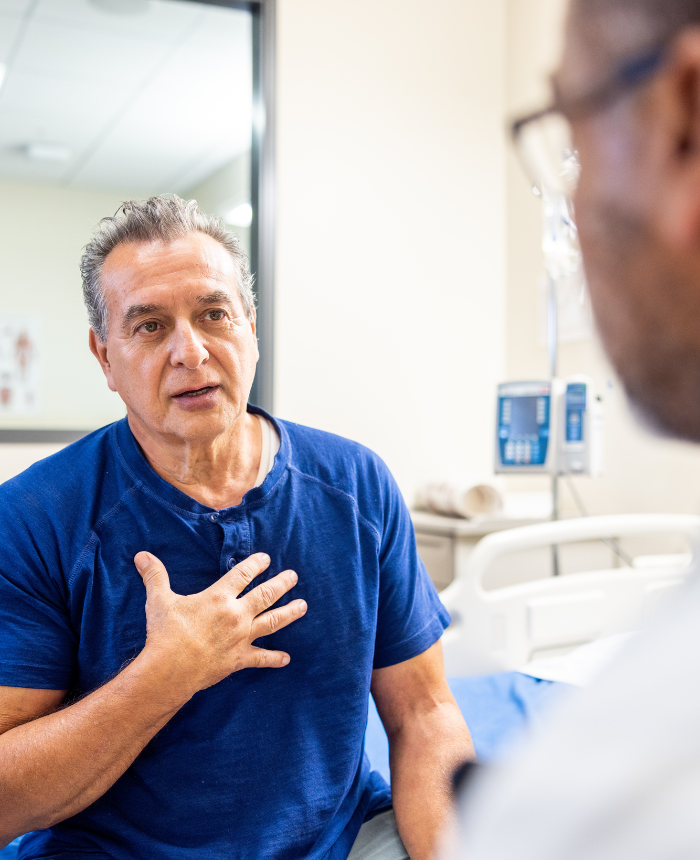
Head and Neck Cancer
Head and neck cancer includes cancers that affect the throat, voice box, mouth, and nose and external beam radiation is one of the most common treatments for these cancers. Due to the proximity to sensitive organs intensity-modulated radiotherapy (IMRT) is a common radiation therapy for head and neck cancer given its high level of precision that particularly targets the exact shape and position of the tumor being treated. Other common radiation therapies include TrueBeam® radiotherapy or Brachytherapy, and radiation is often used along with chemotherapy or surgery in order to shrink tumors, prevent recurrence, and ease symptoms.

Lung Cancer
For those with non-small cell lung cancer brachytherapy is often used to shrink tumors to relieve symptoms in the airways. In some cases TrueBeam radiotherapy can be used for a variety of lung cancers, as its real-time imaging allows your healthcare team to both see the tumor they are about to treat and respiratory gating makes it possible to synchronize beam delivery with the patient’s breathing. Radiation therapy treatments may be used to shrink tumors before surgery or to kill any tumor cells that may remain after surgery.
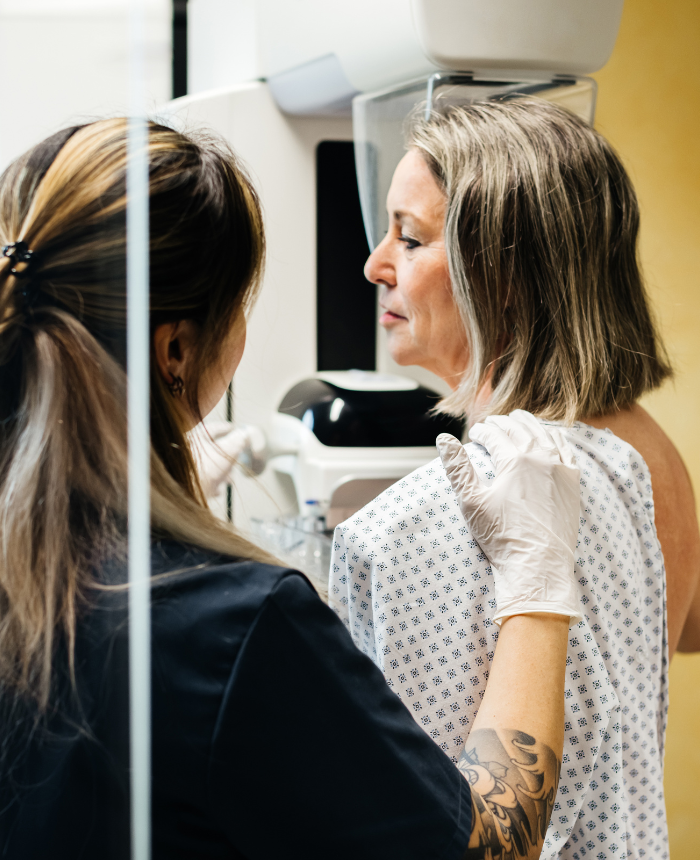
Breast Cancer
Radiation therapy is often used after a lumpectomy (a specific breast cancer surgery) to lower the chance that cancer will return. This combination of radiation and lumpectomy is sometimes called a breast-conserving therapy, and often uses highly targeted radiation therapies such as image-guided radiation therapy (IGRT), intensity-modulated radiotherapy (IMRT), or a combination of both such as RapidArc® radiation therapy. Radiation therapy can also be used after a mastectomy or to help manage symptoms for metatastic breast cancer.

Gynecologic Cancer
Radiation therapy is often used to help treat gynecologic cancers, especially after uterine or cervical cancer surgery to help ensure that there are no remaining cancer cells. This includes both external beam radiation, such as volumetric-arc therapy (VMAT), and internal radiation therapy like brachytherapy which use radioactive sources to precisely target cancer cells. In gynecologic cancers imaging and personalization is especially important for external beam radiation therapy to avoid impacting nearby healthy tissues as much as possible.

Prostate Cancer
Radiation therapy is a popular treatment for prostate cancer that is low-grade and contained within the prostate and is often used for prostate cancers that have begun to spread as well and in combination with other treatments such as surgery and chemotherapy. Brachytherapy is often used alone in men with early-stage prostate cancer that is in a lower-risk group, but is also sometimes combined with external radiation for those with higher risks. External beam therapy for prostate cancer is usually administered five days a week for up to 8 weeks, and due to the frequency of treatments it is usually recommended that you find radiation oncology treatment near your home.